
Aerogel coating projects usually miss schedule on the second pass, not the first quote, because the buyer approves thermal claims before locking film build, surface prep, cure windows, and inspection density. The cleanest way to stop recoat drift is to source silica aerogel coating as a controlled application system with measurable thickness limits, substrate rules, and sign-off points before the first production batch starts.
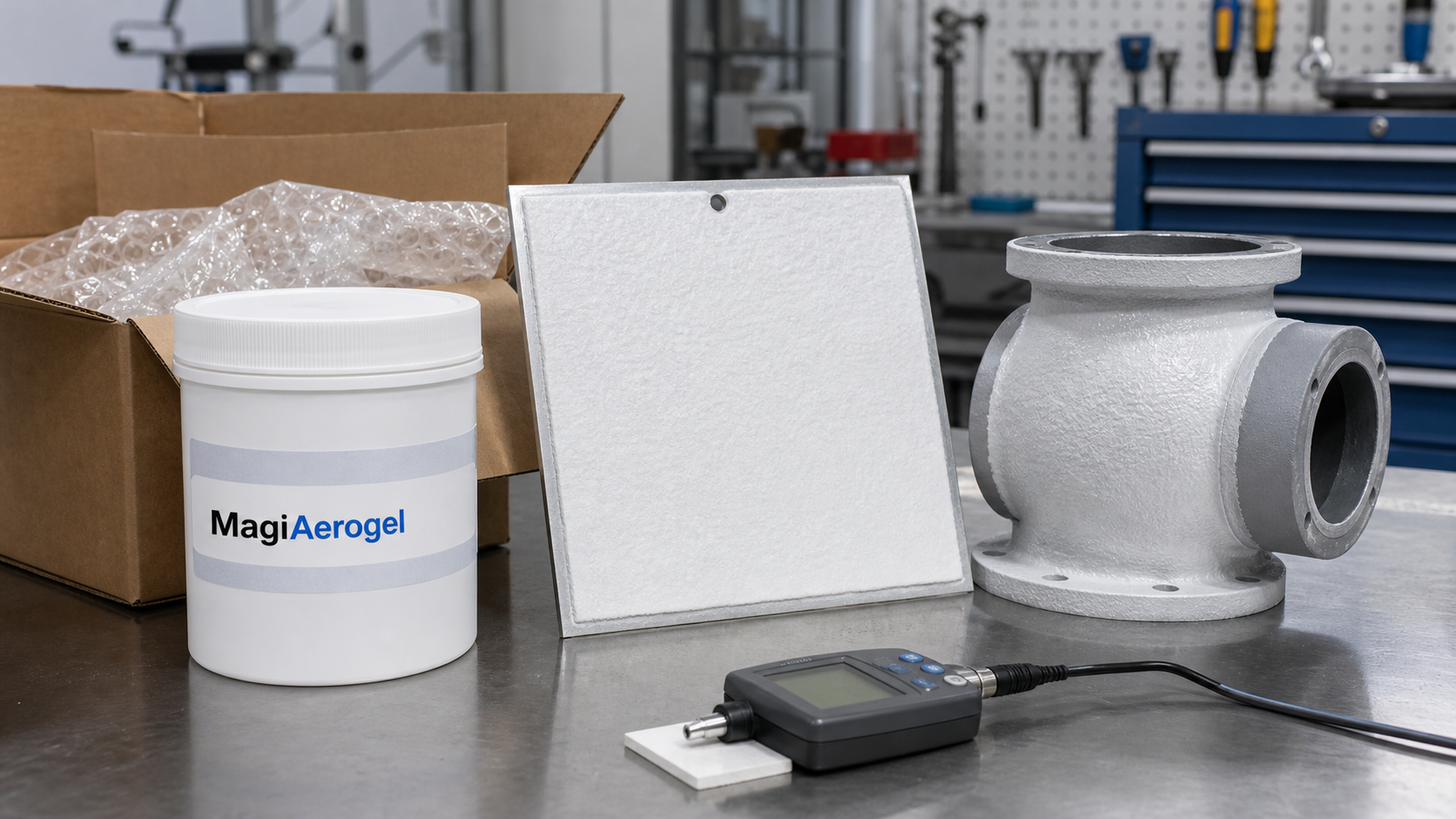
Short answer for technical buyers
Aerogel coating performs predictably when the RFQ fixes four controls before release:
- Target dry film thickness plus the allowed local variation.
- Surface cleanliness and metal profile before coating.
- Cure hold time before handling, insulation closeout, or heat exposure.
- Inspection points on flats, edges, bolts, and service-access zones.
The Aerogel Coating Silica Thermal Barrier is strongest when buyers treat it as a process-controlled silica aerogel insulation layer instead of a paint substitute.
Where recoat drift usually starts
| Drift trigger | What stays undefined | What happens later | | — | — | — | | Thickness target is broad | Applicators chase coverage visually instead of by gauge | Hot spots and touch-up zones appear after cure | | Surface prep is generic | Oil, rust, or profile variation is left to the crew | Early adhesion loss forces patch repair | | Cure window is compressed | Parts move before the layer stabilizes | Edge damage and soft-film marking raise rework | | Inspection is limited to flat areas | Corners, valves, and flange edges are ignored | The second pass starts on geometry, not chemistry |
Silica aerogel coating creates value when the buyer controls the applied system, not only the product data sheet.
The controls that cut recoat risk fastest
| Control | What to define | Why it matters | | — | — | — | | Film build | Wet and dry thickness targets by surface type | Keeps thermal coverage consistent on flats and edges | | Surface profile | Prep method, roughness window, and cleanliness check | Protects adhesion on tanks, housings, and valve bodies | | Cure plan | Ambient range, hold time, and handling threshold | Prevents early damage before the coating hardens | | Inspection map | Gauge points and edge checks per part | Finds drift before full-batch release |
The companion Aerogel Coating Silica Thermal Barrier listing is a useful second internal reference when buyers want to compare the same silica aerogel coating solution across application notes and sourcing discussions.
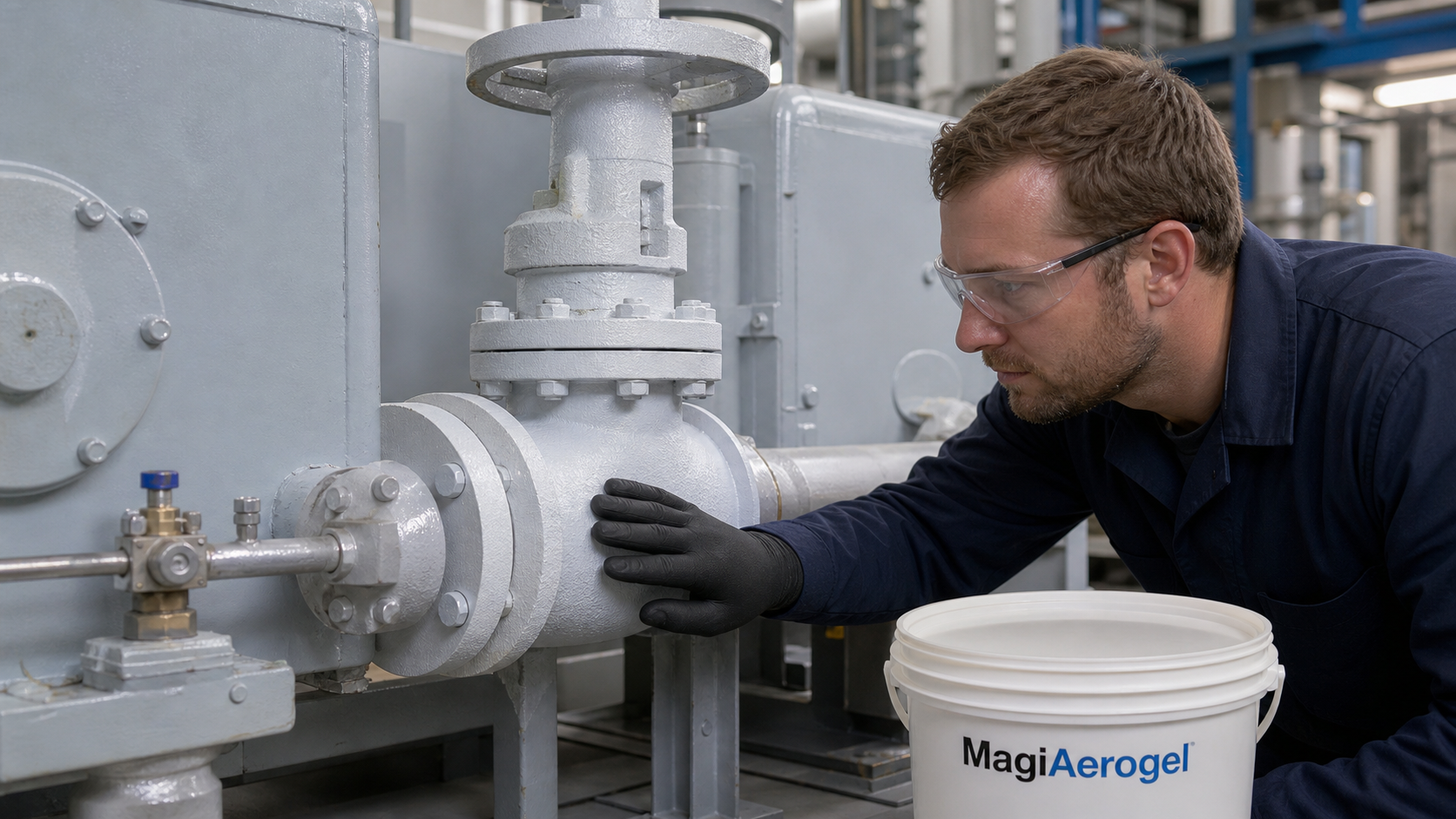
When aerogel thermal barrier coating is worth the premium
An aerogel thermal barrier coating is usually the right fit when buyers need:
- thermal control on housings, valves, access panels, or tank sections with limited clearance
- lower heat loss without adding blanket bulk around service hardware
- a thin film thermal insulation coating for shapes that are awkward to wrap
- repeatable surface performance across production parts or maintenance zones
It is a weaker fit when the surface can accept a thick removable blanket and the application team cannot hold prep, thickness, or cure discipline.
First-article checklist before full release
- Measure the coated geometry at flats, edges, bosses, and fastener zones.
- Confirm the silica aerogel coating target thickness and the rejection limit for thin or heavy spots.
- Record the exact prep method, substrate temperature, and ambient humidity for the first article.
- Hold the part through the planned cure window before shipping, packing, or service exposure.
- Recheck adhesion, edge continuity, and coating damage after handling.
The U.S. Department of Energy remains a useful outside reference because insulation upgrades still need to prove measurable energy value, safe operating temperature control, and maintainability instead of relying on coating claims alone.
Final decision rule
Aerogel coating stops recoat drift when buyers purchase a repeatable application window, not only a thermal material. If the sourcing package locks film build, substrate prep, cure timing, and inspection density before production starts, silica aerogel coating usually delivers cleaner first-pass acceptance with less patching, less schedule slip, and less labor tied to avoidable second coats.
FAQs
What dry film thickness range should buyers lock before production coating starts?
Most teams reduce recoat drift when they define a target dry film thickness near 0.5 mm to 2.0 mm and cap local variation to about plus or minus 10% to 15%. If the allowed window is wider, hot equipment surfaces often show uneven thermal performance and patchy touch-up demand.
How much surface profile is usually enough for silica aerogel coating adhesion?
A practical starting point is a prepared metal profile around 40 to 75 microns with oil, dust, and loose oxide removed before application. Rougher or contaminated surfaces can force an extra coat because the first pass gets absorbed or loses bond strength.
When should buyers require a cure hold before service exposure?
For many industrial schedules, buyers should reserve at least 12 to 24 hours before mechanical handling and verify the supplier’s full-cure window, which can extend to roughly 24 to 72 hours depending on chemistry and ambient conditions. Skipping that hold often turns small finish defects into full recoat work.
How many inspection points are enough on a coated housing or valve body?
A useful first article often checks 6 to 10 points across edges, flats, and fastener zones on each part family. That count is usually enough to expose thin spots, overspray buildup, and edge pullback before the batch moves into repetitive coating.