
Choosing aerogel insulation sheets for an industrial enclosure requires more than comparing a price or one thermal number. Buyers should verify silica aerogel construction, panel thickness, usable clearance, joint treatment, and installation evidence before approving a repeat order.
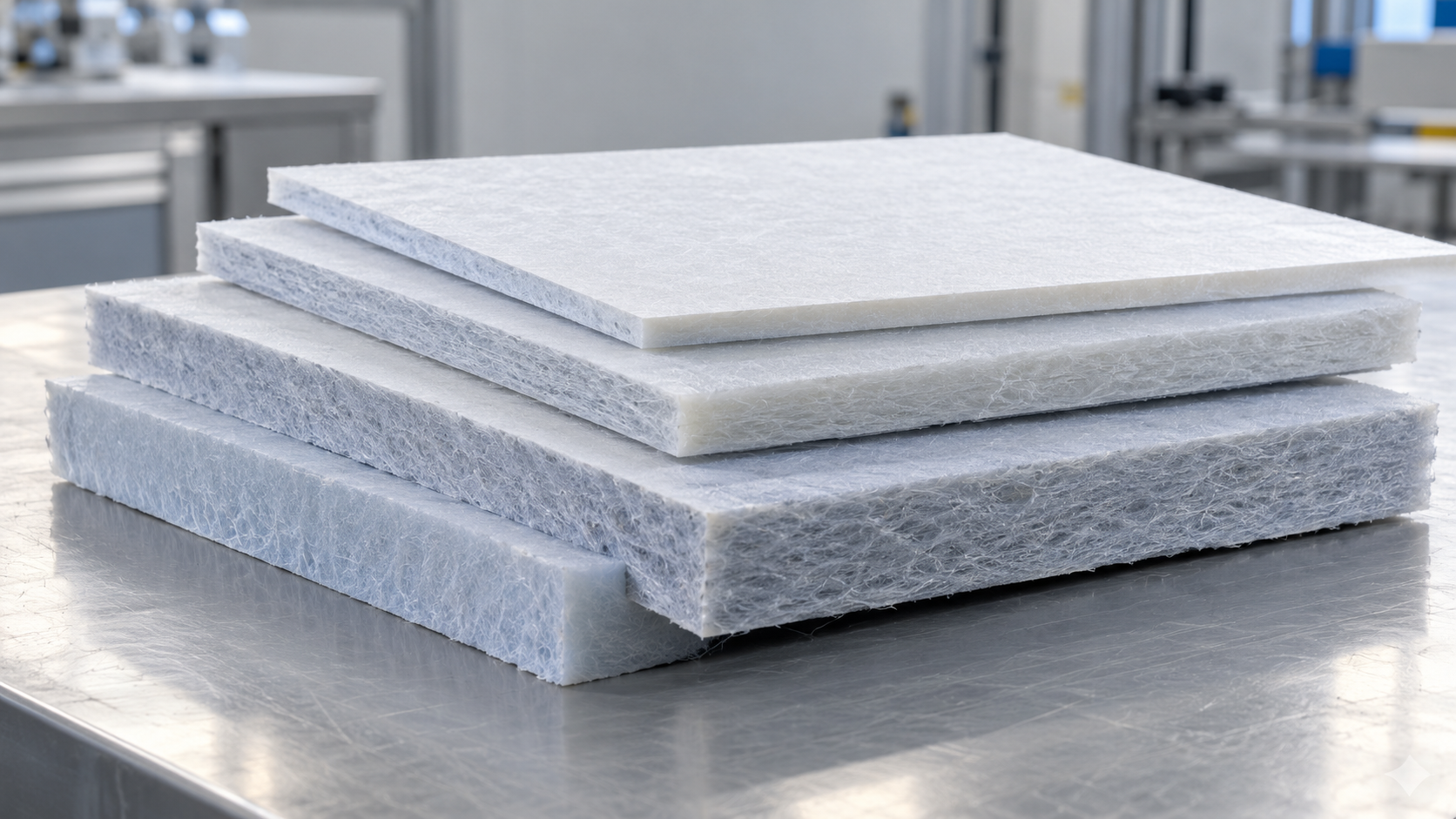
Start with the aerogel insulation sheets duty
Write down the enclosure dimensions, operating temperature range, available clearance, service openings, and expected service life. Keep the panel layout tied to the actual equipment drawing instead of selecting a sheet size only from a catalogue.
Review the silica aerogel insulation sheet panel option against the project dimensions and identify where the panel must be cut, joined, or removed for service.
Confirm panel thickness and tolerances
Request nominal thickness in millimeters, allowed tolerance, density basis, and the compressed or installed thickness where the fastening method can affect the fit. A panel that fits the empty enclosure may interfere with a door seal or service cover after installation.
Use the industrial aerogel insulation panel option as a second comparison point. Record sample dimensions and condition before approving the final bill of materials.
Measure corners joints and clearances
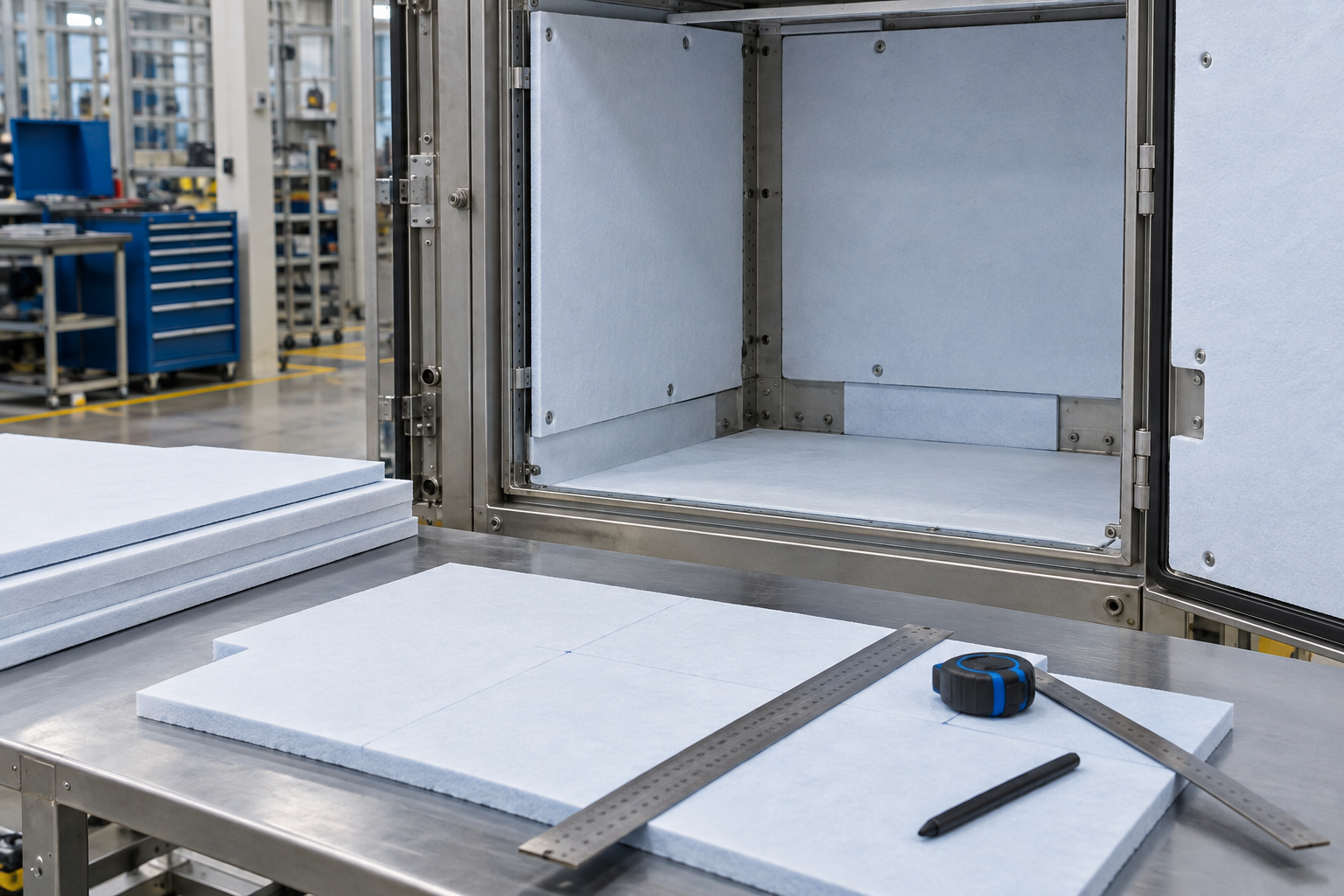
Mark corners, fasteners, hinges, cable entries, and removable covers on the enclosure drawing. Record the minimum gap in millimeters at each critical point and define how much edge compression is acceptable.
Check the first cut pattern before releasing production. Small changes around a door or flange can create a larger installation problem than a difference in nominal panel area.
Match thermal data on one basis
Compare thermal conductivity in W/(m·K) only when mean temperature, density, moisture condition, thickness, and test standard are aligned. Retain the test basis with the quotation so later supplier comparisons use the same conditions.
Do not treat a lower number from a different conditioning state as a like-for-like improvement. Ask for the data sheet, test method, and applicable temperature range before making a thermal decision.
Plan cutting joints and fastening
Define the cutting allowance, joint position, edge treatment, and fastening method in the installation drawing. Keep joints away from door seals and service openings where possible, and record the measured joint gap before the outer cover is closed.
The aerogel panel series provides the planned product-line route for reviewing available panel formats. Confirm the current dimensions and lead-time assumptions against the project schedule.
Control storage and handling
Specify sealed packaging, dry indoor storage, protection from water, and the maximum exposure time after opening. Record lot number, packing date, and the reinspection period in days before installation.
Keep sheets supported on a flat surface so corners are not crushed. Quarantine any package with water exposure or damaged edges until the inspection record is complete.
Build a measurable acceptance record
Use one checklist for the first enclosure fit and repeat work:
- Confirm product grade, lot number, nominal thickness, and panel count.
- Record enclosure dimensions, operating range, and available clearance.
- Measure joint gaps and fastener clearances in millimeters.
- Photograph corners, service openings, door seals, and cover closure before concealment.
- Retain the data sheet, test basis, storage record, and installer sign-off.
For a related same-line review, read aerogel insulation sheets enclosure fit checks. For general energy-efficiency context, consult the U.S. Department of Energy.
Review your aerogel insulation sheets brief
Share the panel thickness, enclosure clearance, temperature range, joint layout, and monthly demand for a project-specific review.
Aerogel insulation sheets buyer FAQs
What thickness should buyers specify for aerogel insulation sheets?
Specify nominal thickness in millimeters, permitted tolerance, layer count, and available enclosure clearance before approving the layout.
How much clearance should be reserved around a sheet panel?
Use the approved drawing and record the minimum gap in millimeters at corners, fasteners, doors, and service openings.
Which thermal value should buyers compare between sheet suppliers?
Compare thermal conductivity in W/(m·K) at the same temperature, density, moisture condition, thickness, and test standard.
What inspection sample is useful for an enclosure order?
Use at least one first-article enclosure fit sample and record dimensions, joint gaps, fastener clearance, and surface condition.
<script type=”application/ld+json”> { “@context”: “https://schema.org”, “@type”: “FAQPage”, “mainEntity”: [ {“@type”: “Question”, “name”: “What thickness should buyers specify for aerogel insulation sheets?”, “acceptedAnswer”: {“@type”: “Answer”, “text”: “Specify the nominal thickness in millimeters, the permitted tolerance, the number of layers, and the available enclosure clearance before approving the sheet layout.”}}, {“@type”: “Question”, “name”: “How much clearance should be reserved around a sheet panel?”, “acceptedAnswer”: {“@type”: “Answer”, “text”: “Reserve the clearance shown on the approved drawing and record the minimum gap in millimeters at corners, fasteners, doors, and service openings before closure.”}}, {“@type”: “Question”, “name”: “Which thermal value should buyers compare between sheet suppliers?”, “acceptedAnswer”: {“@type”: “Answer”, “text”: “Compare thermal conductivity in W/(m·K) at the same mean temperature, density basis, moisture condition, thickness, and test standard.”}}, {“@type”: “Question”, “name”: “What inspection sample is useful for an enclosure order?”, “acceptedAnswer”: {“@type”: “Answer”, “text”: “Use at least one first-article enclosure fit sample and record panel dimensions, joint gaps, fastener clearance, and surface condition before production release.”}} ] } </script>